
You do everything right on paper. Gym four times a week, protein dialed in, skincare routine running. And you still wake up feeling cooked, because last night you were in bed at 2:40 AM watching a stranger restore a rusty knife in 4K.
Sleep is the multiplier on every other stat you train. Testosterone, growth hormone, memory consolidation, appetite control, mood: all of it runs through the night shift. One week of short sleep drops testosterone by the equivalent of aging a decade and makes junk food measurably harder to resist. You already know sleep matters. What you need is the protocol.
Relaxmaxxing 101 taught you how to downshift. This is the full build: clock mechanics, light rules, cave specs, the saboteurs, and fixes for guys with cursed schedules.
How the Clock Actually Works
Two forces decide when you sleep, and they barely coordinate.
Force one is sleep pressure. From the moment you wake, a chemical called adenosine accumulates in your brain like debt. More hours awake means more pressure and more drowsiness. Sleep pays the debt off. Caffeine works by parking in adenosine’s receptors and muting the signal. The debt keeps stacking in the background the whole time, which is why a 4 PM espresso can mug you at midnight.
Force two is your circadian rhythm, a roughly 24-hour timer in your brain that schedules alertness and melatonin release. It takes its orders almost entirely from light hitting your eyes. Bright morning light says the day has started. Bright light at 11 PM says it’s noon, and your melatonin gets delayed accordingly.
The counterintuitive part: when these two forces fight, the rhythm usually wins. That’s why you can be exhausted at 10 PM, catch a second wind at midnight, and lie wired at 2 AM despite a full day of debt. You are fighting a hormone schedule with willpower, and willpower loses that fight every time.
Light: The Master Dial
The morning anchor
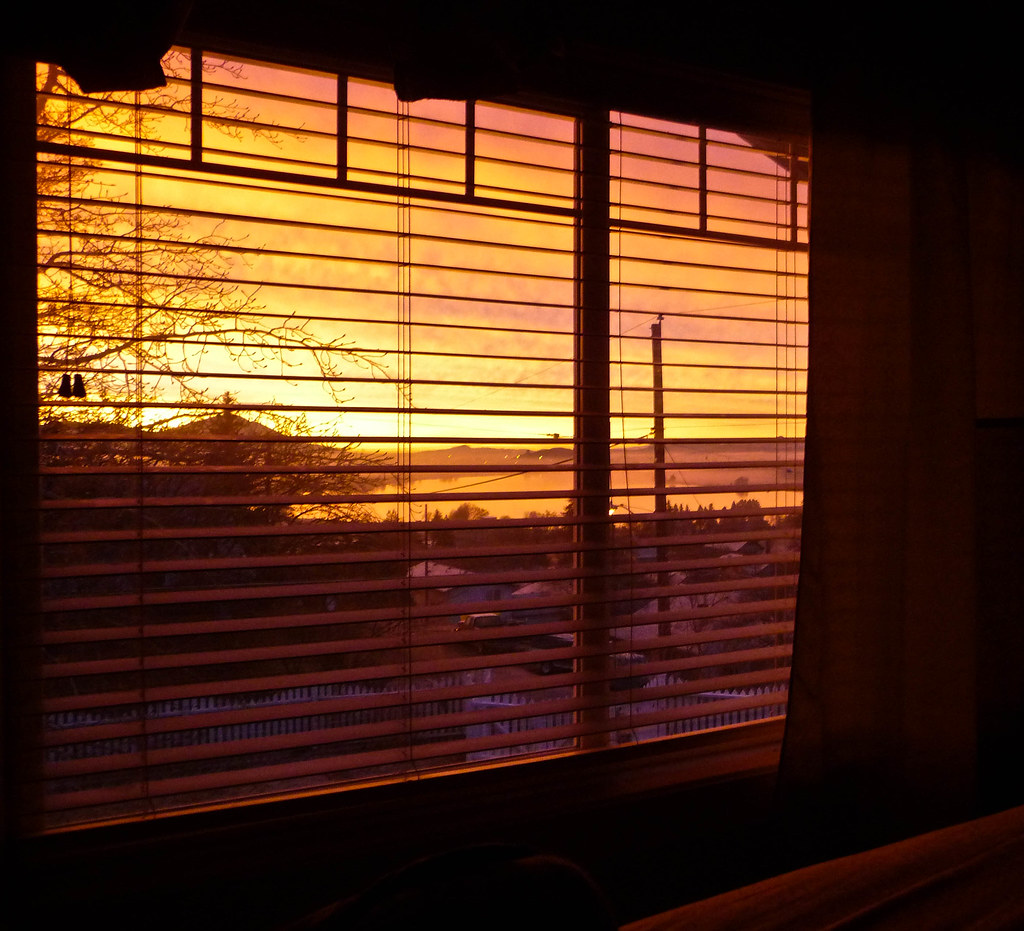
The highest-leverage sleep habit happens after you wake up. Get outside within 30 to 60 minutes of waking and give your eyes 10 minutes of daylight, 20 to 30 if it’s overcast. No sunglasses, no window glass between you and the sky.
This triggers a healthy cortisol pulse that makes you alert right now, and it starts a countdown that releases melatonin roughly 14 to 16 hours later. Your morning light is programming tonight’s sleepiness. Anchor it at the same time every day and the whole clock stabilizes around it.
The evening dim
Two to three hours before bed, run the reverse. Overhead lights off, lamps on, screens dimmed. Your eyes want drastically less light at night than they get in the morning, and the overhead LED panel in your kitchen is broadcasting daytime at 11 PM.
The phone rule that actually works: for the last hour before bed, the phone charges in another room. Night mode filters help a little. Distance helps completely. The content itself, one more video and then one more after that, is the real problem, and 11 PM is when your self-control is at its daily low.
Make it a system instead of a vibe. Set a daily alarm for two hours before bed labeled “lights down”. When it fires: overheads off, one warm lamp on, screens to the lowest readable brightness. That is the entire routine, and the alarm removes the nightly negotiation about when to start it.
The failure mode everyone hits: you move the phone, lie there bored, and reach for it anyway. Boredom is the withdrawal symptom, so preload the replacement. A physical book on the pillow, fiction or something you have read before, works because the replacement has to be less interesting than your phone. If you genuinely must use a screen, sit somewhere that is not the bed. The location matters as much as the light.
The Cave: Environment Specs
// Bedroom spec sheet
- Temperature: 18 to 19 degrees Celsius, around 65 Fahrenheit. Your core has to drop about one degree to initiate deep sleep. A cool room does that work for you.
- Darkness: blackout curtains or a sleep mask. If you can see your hand in front of your face, there’s enough light leaking in to shave your melatonin.
- Sound: silence if you have it, brown or white noise if you have roommates, traffic or thin walls.
- Function: the bed is for sleep. Work, scrolling and eating happen anywhere else. Your brain learns locations. Teach it that the mattress means unconscious.
The one that surprises people: a hot shower 60 to 90 minutes before bed makes you sleepier, because stepping out of hot water into cool air dumps heat from your core. Your body reads that temperature drop as the starting gun for the night shift.
The Three Saboteurs
- Alcohol. A sedative, and sedation is a different brain state from sleep. Even two drinks within three hours of bed fragments the second half of your night and guts REM, the phase that handles memory and emotional regulation. This is why eight hours of passed-out after drinking can feel like four hours of real sleep.
- Late caffeine. Half-life runs five to six hours. A coffee at 4 PM leaves a quarter of it circulating at midnight, quietly blocking adenosine and cutting deep sleep even when you fall asleep fine. Rule: last caffeine eight to ten hours before bed. For an 11 PM bedtime, that’s a 1 to 3 PM cutoff.
- Late meals. A big meal inside two hours of bed keeps digestion and core temperature running when both should be winding down. Finish eating two to three hours before sleep. If hunger strikes at night, small and boring beats large and glorious.
Supplements, Honestly
Supplements are the garnish on this protocol, useful only after light, temperature and timing are handled. The standard disclaimer applies with full sincerity: talk to a doctor before adding anything, especially if you take medication or have a health condition. With that said, the landscape:
The decision rules: start with one supplement, never a stack, so you know what did what. Give it two weeks at the same dose and timing before you judge it. If nothing changed, drop it and move down the list. And if you are sleeping five hours a night, nothing on this list outperforms going to bed earlier. Fix the schedule first, spend money second.
Track Without Going Weird
Sleep trackers serve exactly one purpose: spotting patterns you’d otherwise miss. The data is an estimate, and obsessing over a nightly score produces its own condition, orthosomnia, where anxiety about your sleep metrics is the thing keeping you awake.
Track two things for two weeks: your wake time, and a 1 to 10 rating of how you feel at 10 AM. That’s the whole dashboard. Patterns surface fast. “Every night after drinks, the rating craters” teaches you more than any readiness score. Review weekly, change one variable, repeat.
One thing the dashboard can surface that you should hand to a professional: if someone tells you that you snore like a chainsaw, if you wake up gasping, or if you sleep eight hours and still feel destroyed every day, that is a doctor conversation, not a supplement experiment. Sleep apnea is common and underdiagnosed in young guys, and it moggs every other fix on this page.
// From The BossMaxx Protocol
This two-number dashboard is the starter version. The relaxmaxxing chapter of The BossMaxx Protocol runs the full progression: tiered levers from wake-time anchor up to complete cave spec, the 30-day build order that puts sleep first because every other pillar compounds on it, and a tracker sheet that turns your two numbers into a trendline with built-in failure fixes.
Edge Cases: Shift Workers and Students
Shift workers: a sunrise anchor is impossible, so build an artificial one. Keep an anchor sleep block, the same four to five hours at the same time every day, days off included, then nap around it. Bright light during the first half of your shift, sunglasses on the commute home, blackout curtains, phone on airplane mode. Consistency inside a cursed schedule beats a perfect schedule you can’t keep.
Students and deadline grinders: the all-nighter is a loan shark. One night of total sleep loss cuts next-day learning capacity by up to 40 percent, so the exam you’re cramming for is exactly what you’re sabotaging. Better play: study until 11, sleep six hours minimum, review in the morning. Memory consolidation happens during the sleep. Skip it and you paid for studying you never get to keep.
Muscle is built in bed. The gym just submits the paperwork.
The 30-Night Lights Out Quest
// Community quest
Thirty nights. Four rules:
- Rule 1: Same wake time every day, weekends included, within a 30-minute window. This is the anchor everything hangs on.
- Rule 2: Ten minutes of outdoor light within an hour of waking. Every day, weather be damned.
- Rule 3: Last caffeine before 2 PM. Deadlines don’t earn exceptions.
- Rule 4: Final hour of the day with the phone charging outside the bedroom.
Track two numbers: your wake-time variance in minutes, and your 10 AM energy rating from 1 to 10. Day 30 you has a clock that runs itself, and mornings that feel like a cheat code.
Tonight’s action, the whole assignment: move your phone charger to the kitchen. One cable, moved once, fixes the last hour of every day you have left.