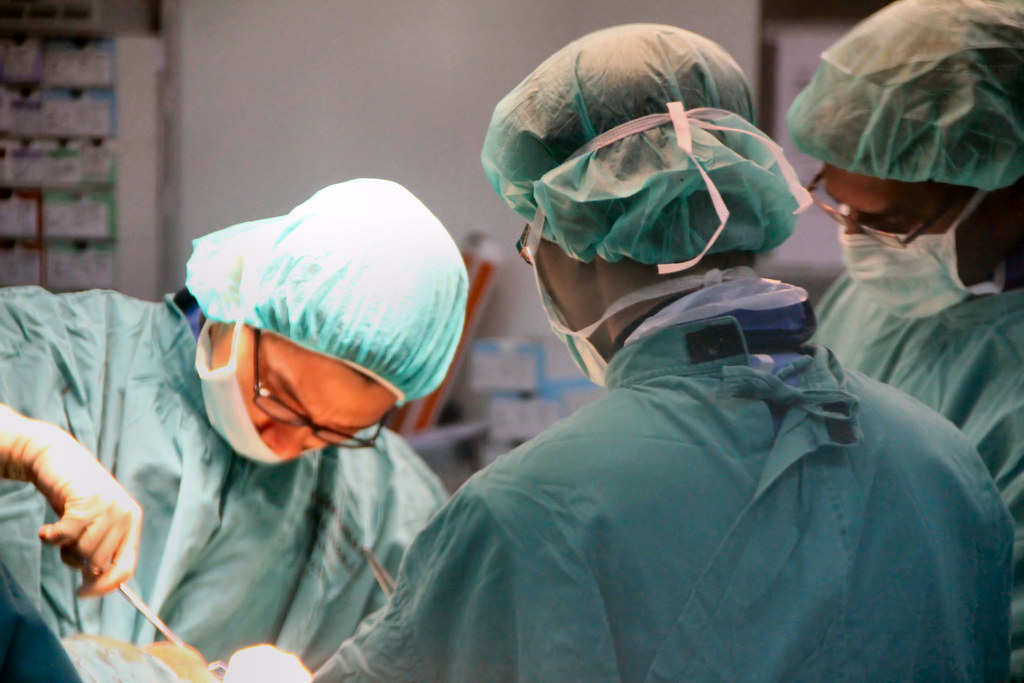
It’s 1:40 in the morning and you’re three tabs deep into clinic websites. You’ve run the softmaxxing loop for a year now: the gym, the sleep, the skincare, the haircut that finally suits your skull. And there’s still that one thing the routine never touched. A nose you’ve angled away from cameras since 2019. A hairline in slow retreat. Teeth that taught you to smile with your mouth closed.
So you’re researching hardmaxxing: botox, fillers, rhinoplasty, jaw work, hair transplants, veneers. Real procedures, real money, real risk. This is the honest map of that territory. What each thing does, what it costs, how long you’re swollen, how to find hands worth trusting with your face, and how to tell a considered decision apart from a bad night with a front camera.
One line before anything else: nothing in this article is medical advice. It exists so you can walk into a licensed professional’s office asking smarter questions than the brochure expects.
The Menu: What’s Actually on the Table
Hardmaxxing covers a wide spread, from a ten-minute appointment to full surgery. Know the category before you shop inside it:
- Botox. Relaxes the muscles that crease your forehead and eye area. Roughly 300 to 600 dollars per session, effects last three to four months, zero downtime. The gateway procedure, and temporary by design.
- Fillers. Hyaluronic acid adds volume to chin, jawline, cheeks or undereye hollows. Around 600 to 1,200 dollars per syringe, results hold six to eighteen months, and the acid version is dissolvable if you hate it. Permanent fillers belong in the red flag section.
- Rhinoplasty. Reshapes the nose, bone and cartilage. Six to fifteen thousand dollars, one to two weeks before you’re camera-ready, and the final shape takes a full year to settle. The swelling timeline is the part nobody budgets for emotionally.
- Jaw work. Chin implants and genioplasty run five to twelve thousand dollars, with about two weeks of soft food and a month before the swelling stops lying to you. Worth knowing: a large share of guys pricing jaw implants are carrying ten pounds of face fat they’ve never actually lost.
- Hair transplants. Follicles moved from the back of your head to the front. Four to fifteen thousand dollars, a week of visible scabs, results at twelve months. The catch almost nobody mentions: transplanted hair is permanent, but the hair around it keeps thinning. Surgery on unstabilized loss chases a receding target, which is why serious clinics put you on stabilization treatment first and operate second.
- Veneers. Porcelain shells bonded to your teeth, 900 to 2,500 dollars per tooth. Here’s the part the Instagram ads skip: enamel gets shaved off permanently, and the shells need replacing every ten to fifteen years. You’re signing a maintenance contract, once, at age 23.
The Foundation Rule
Here’s the uncomfortable math of this whole category. Most of what young guys want operated on is body fat, sleep debt and bad lighting wearing a costume. The order of operations matters more than any single procedure:
Only after a year of all four do you have accurate information about what, if anything, needs a scalpel. Procedures on top of an untrained, sleep-deprived base is a penthouse built on sand, and surgeons will happily take money for work that a cutting phase would have done for free.
// From The BossMaxx Protocol
The foundation year is where most hardmaxxing plans quietly die, because “lift more, sleep more” is a wish until it’s scheduled. The looksmaxxing and gymmaxxing chapters turn tiers 01 and 02 into a week-by-week build order with progression tiers, and the tracker pack logs the same two numbers the 90-day quest below runs on. The BossMaxx Protocol
How to Vet a Surgeon
Here’s a counterintuitive truth about this industry: the best results are invisible. Nobody has ever complimented a rhinoplasty. They compliment the face, and assume genetics. Which means the surgeons with the most dramatic before-and-after pages are often the most aggressive operators, and the great ones have portfolios that look almost boring.
// The consultation protocol
- Step 1: Shortlist three surgeons, each board-certified in the relevant specialty, each doing your specific procedure weekly. A brilliant breast surgeon is the wrong hands for a nose.
- Step 2: Book paid consults with all three. You are conducting job interviews, and the consult fee is the price of admission.
- Step 3: At each one, ask for healed photos taken a year post-op of their average cases. Portfolio books show the ten best outcomes of a career. You want the median result, because that’s the result you’re statistically buying.
- Step 4: Ask the two killer questions: “What’s your revision rate for this procedure?” and “If something goes wrong, who fixes it and who pays?” Watch how the room feels when you ask.
- Step 5: The surgeon who talks you out of half your list, or sends you home to fix your sleep first, just earned the deposit. The surgeon who agrees with everything is a salesman wearing scrubs.

Red Flags That End the Conversation
- Prices far below market. Revision rhinoplasty costs more than primary rhinoplasty, every time. The cheapest quote is the most expensive tier, paid in installments of regret.
- Time pressure. Discounts expiring Friday, financing offered before anyone examines you. Real clinics have waiting lists, and urgency is a sales tactic with a pulse.
- No healed photos. Fresh post-op shots and studio lighting hide everything. Swelling is a great makeup artist.
- You meet the surgeon on the day. If a coordinator handles everything and the actual operator appears in scrubs ten minutes before, leave.
- Package deals. A nose, chin and lipo combo with a group discount is a fast-food menu in a medical costume.
The Money Math
Budget the full number in cash: procedure, anesthesia, facility fees, lost work days, plus a thirty percent buffer for the revision nobody plans for. If the buffer is impossible right now, the procedure is impossible right now. A face financed at 24 percent APR charges you interest in two currencies, money and sleep.
Run the real number once and the conversation changes. A rhinoplasty stack looks like this: 8,000 for the surgeon, 1,500 anesthesia, 1,200 facility, 800 in lost wages for a week off, 3,450 buffer. Total: 12,950 dollars, call it thirteen. The Instagram quote said eight. The gap between the quote and the true stack is exactly where clinics make their margin on financing.
The savings protocol is boring, and that’s the point:
- Step 1: Divide the true stack by your realistic monthly surplus. Thirteen grand at 500 a month is 26 months. That number is your timeline, and it’s honest information.
- Step 2: Park it in a separate high-yield account named after the procedure. Watching “NOSE FUND: $4,250” grow does more for your patience than any amount of willpower.
- Step 3: Treat windfalls as accelerators. Tax refunds and bonuses go straight in, and every month shaved off the timeline is a month the cooling period gets to do its job.
- Step 4: If the timeline comes out past three years, the market is telling you the priority order is wrong. Income first, face second. Moneymaxxing outranks hardmaxxing until the buffer builds itself.
One failure fix worth knowing: most guys abandon the fund around month four, when the balance feels stuck. Switch to a smaller weekly auto-transfer instead of a monthly one. 125 every Friday moves faster in your head than 500 on the first, and the balance never sits still long enough to feel dead.
Great work reads as good genetics. Bad work reads as surgery. You’re paying for the first kind, so buy the surgeon, and let the procedure come free with him.
The Dysmorphia Check
Last filter, and it’s the important one. There’s a difference between a considered decision and body dysmorphia talking, and the voice sounds identical from the inside. Dysmorphia has tells: the flaw is invisible in neutral-light photos, its size changes with your mood and your sleep, you zoom into pictures of yourself daily, and the goalpost migrates. Fix the nose and the chin becomes the emergency.
Run a four-week test before any consult. One photo per week, same spot, same distance, same flat daylight, camera at eye level. Four photos, then compare. A real structural feature looks identical in all four. A perception problem changes size week to week, and perception problems don’t have a surgical price, they have a therapist’s hourly rate. Good surgeons screen for exactly this and will decline the work. Let them. A refusal from a professional is free data.
Score the test like an audit, three outcomes. Photos identical across all four weeks: stable target, proceed to the cooling period. Photos fluctuating with your sleep and your week: perception problem, and the next appointment costs 150 an hour instead of five figures once. The third outcome is the sneaky one: photos identical, desire still growing, a new flaw appearing every month. That’s dysmorphia wearing a lab coat, and surgery feeds it. Every surgeon worth his board certification has operated on a patient three times who still books consult number four for a feature nobody else can see. A migrated goalpost is a diagnosis, and the fix is a conversation, a cheaper one than rhinoplasty by about 12,800 dollars.

The 90-Day Cooling Period
// Community quest
Ninety days before any consultation. Four rules:
- Rule 1: Zero consultations booked during the window. Research and shortlist only, deposits stay in your pocket.
- Rule 2: Foundation reps: four training sessions per week, seven and a half hours of sleep minimum, both logged daily.
- Rule 3: One neutral-light photo per week, same setup each time. Twelve photos total, compared only at day 90.
- Rule 4: Move the full quoted price plus thirty percent into a separate account before the window ends.
Track two numbers: foundation days completed and account balance. A desire that survives ninety days of gym progress, real sleep and a full cash buffer is a considered decision. Book the consult on day 91 with a clear head and a strong hand.
The Honest Version
Hardmaxxing is a legitimate category with real, life-improving outcomes inside it. It’s also the only pillar where mistakes are measured in decades, which is why the entire meta is patience: foundation first, surgeon shopping second, cash third, procedure last.
Tonight’s action: take the first neutral-light photo and open the separate savings account. Two moves, twenty minutes, and the clock on your 90 days starts now.